

Meet the Team!
Are you seeking a challenging yet rewarding research experience in large language models and intelligent systems? We invite highly motivated students and researchers to become part of the Yang Research Group at Johns Hopkins University.
Our work spans the three directions described on the Research page: decision-making, agentic AI and collaborative intelligence, and computing and intelligence scaling. Across these directions, we are especially interested in LLM-centered methods that are grounded in real-world domains such as transportation, public health, behavior, and complex societal systems.
We welcome undergraduate and master's students who would like to explore research, as well as prospective PhD applicants interested in joining the lab. Please feel free to contact Dr. Hao Frank Yang (haofrankyang@jhu.edu) if your interests align with our work.
Our Memory
Pets
Meet the pets of our lab members. You are welcome to bring your pets along to meet the team.
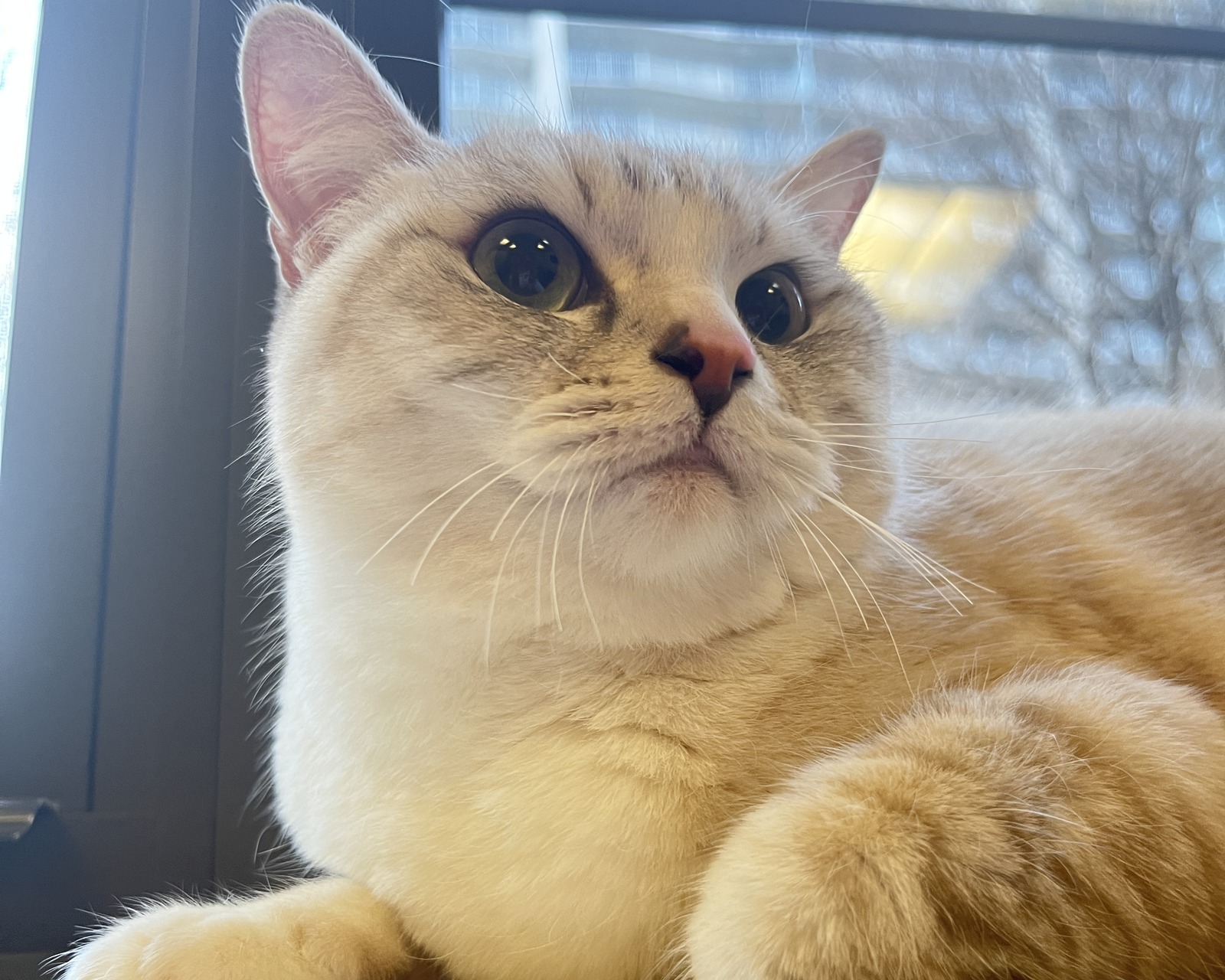
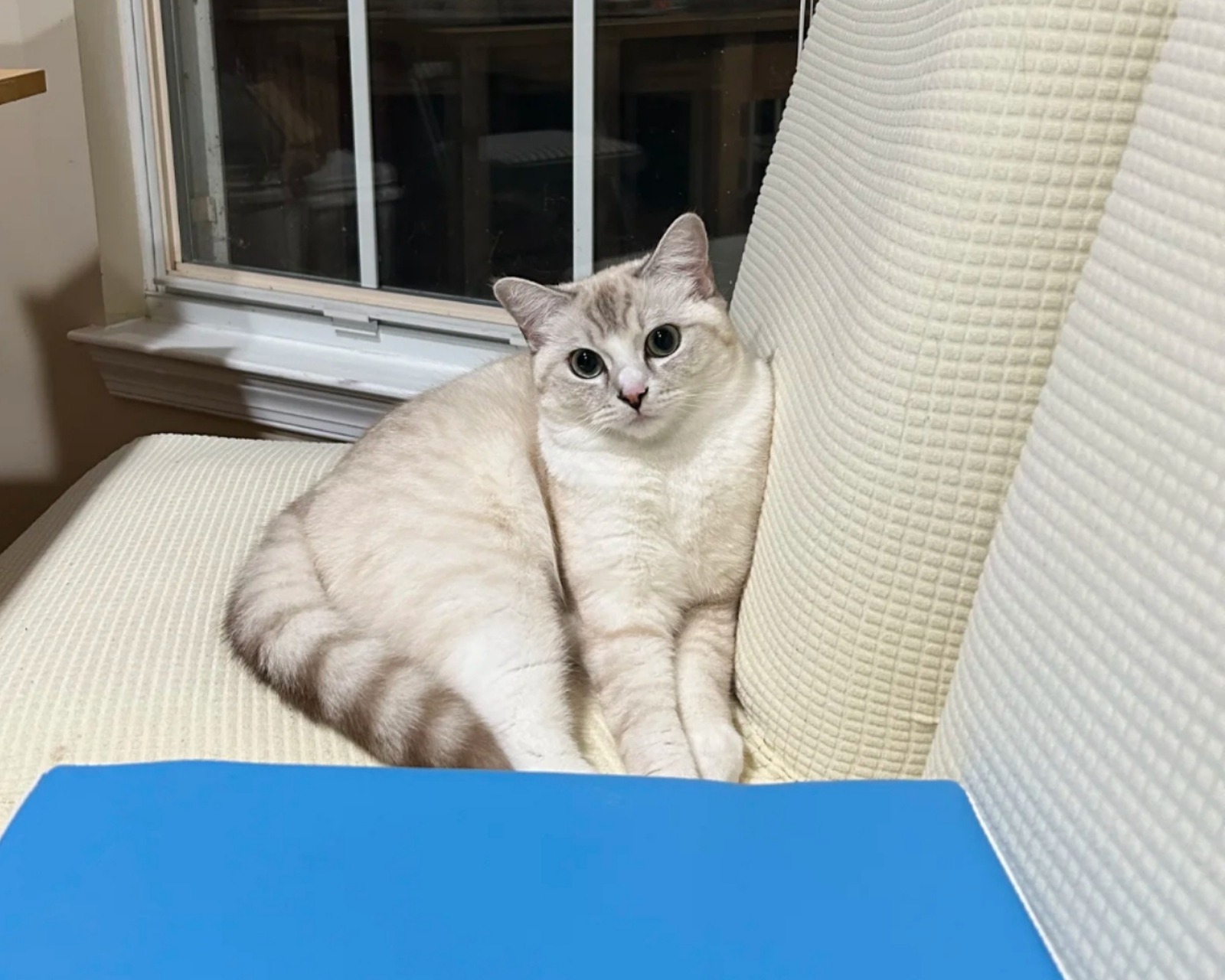
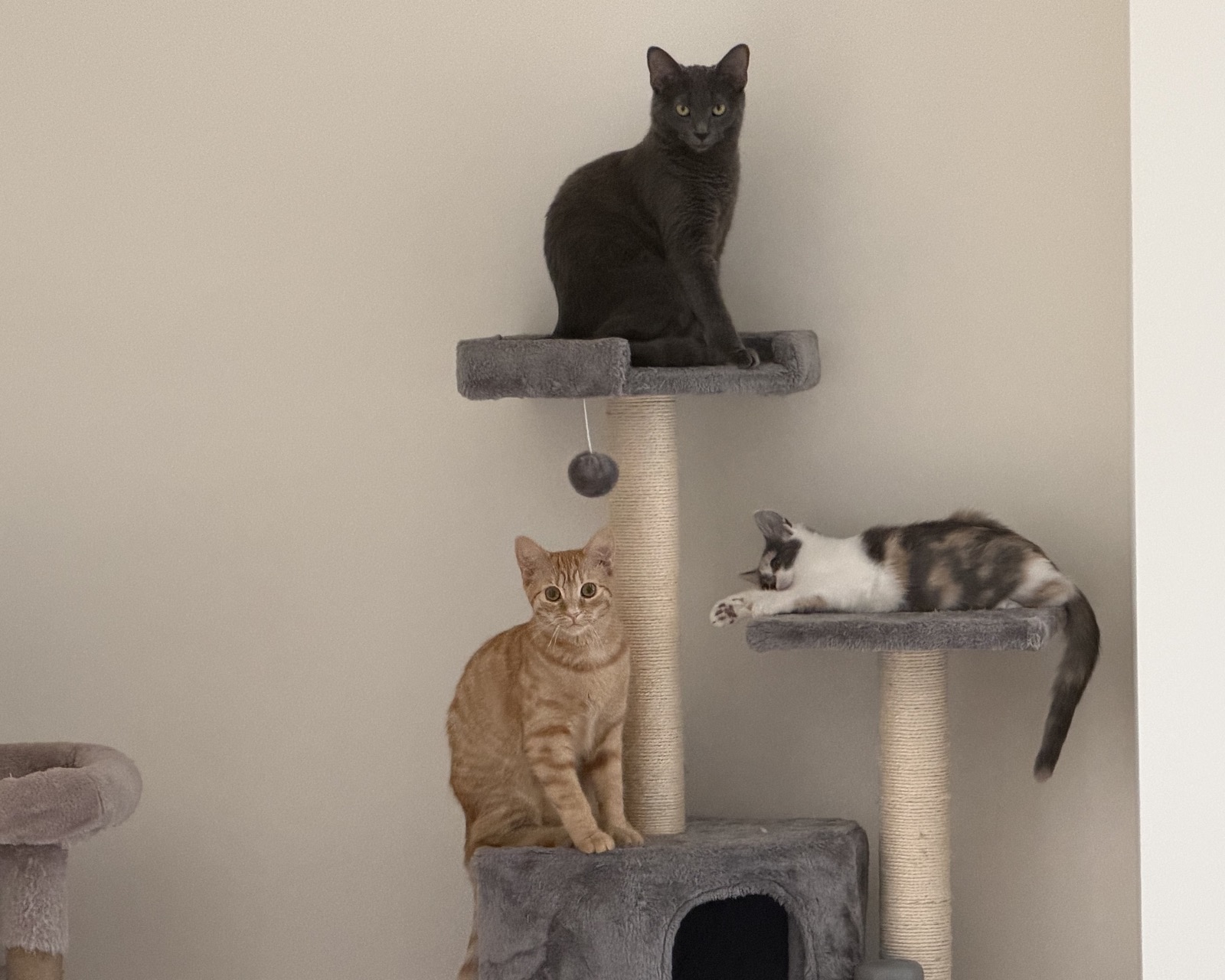
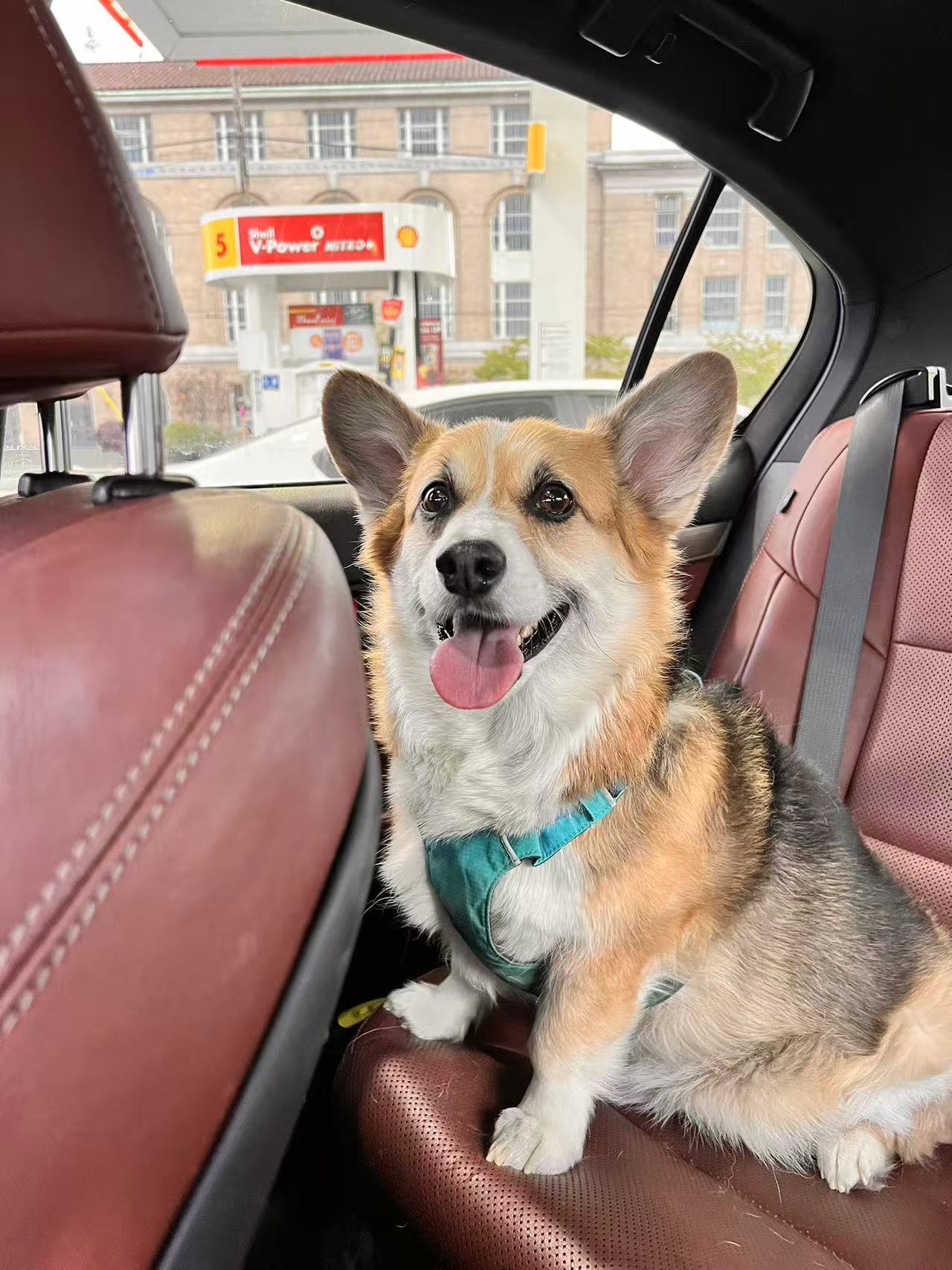

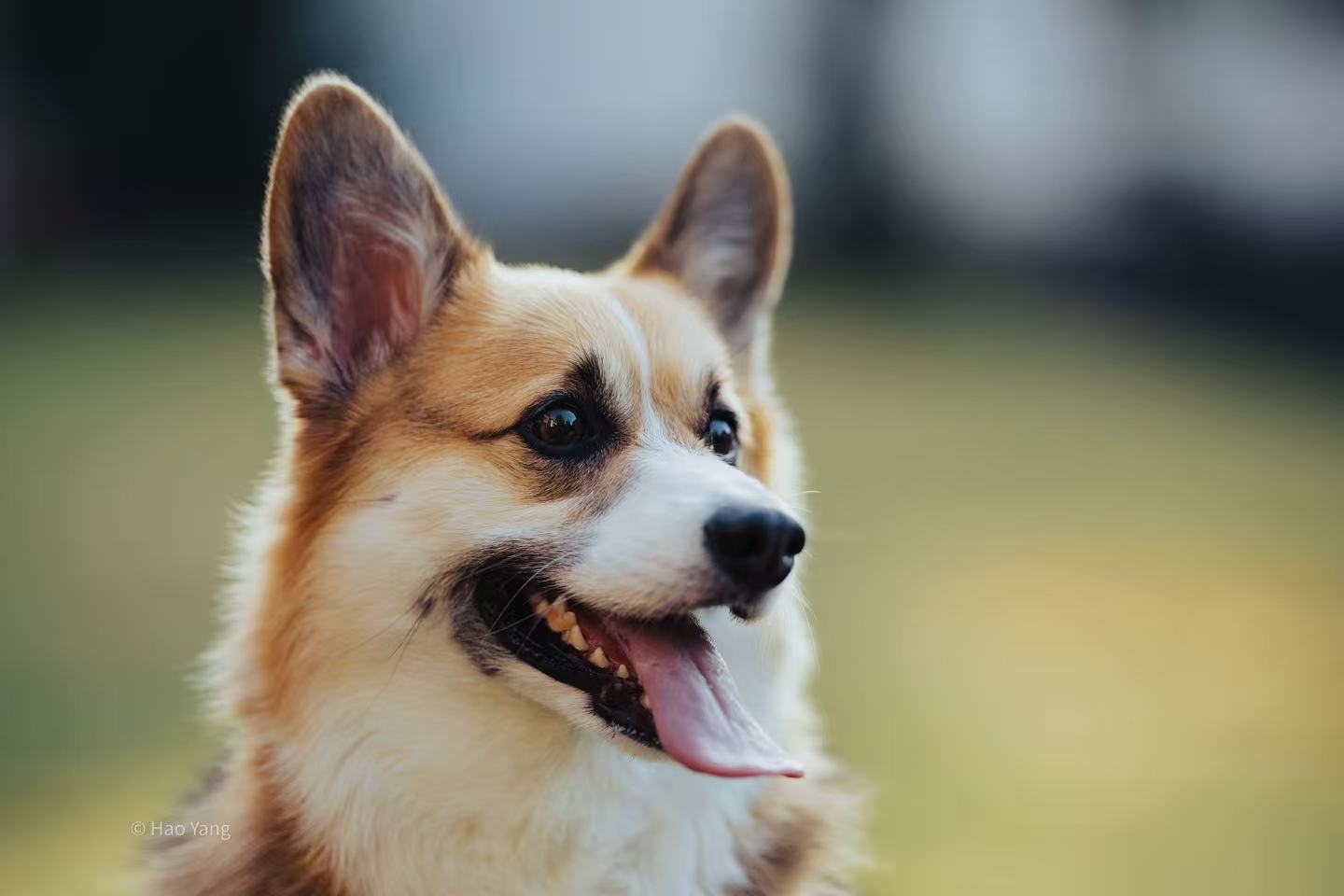
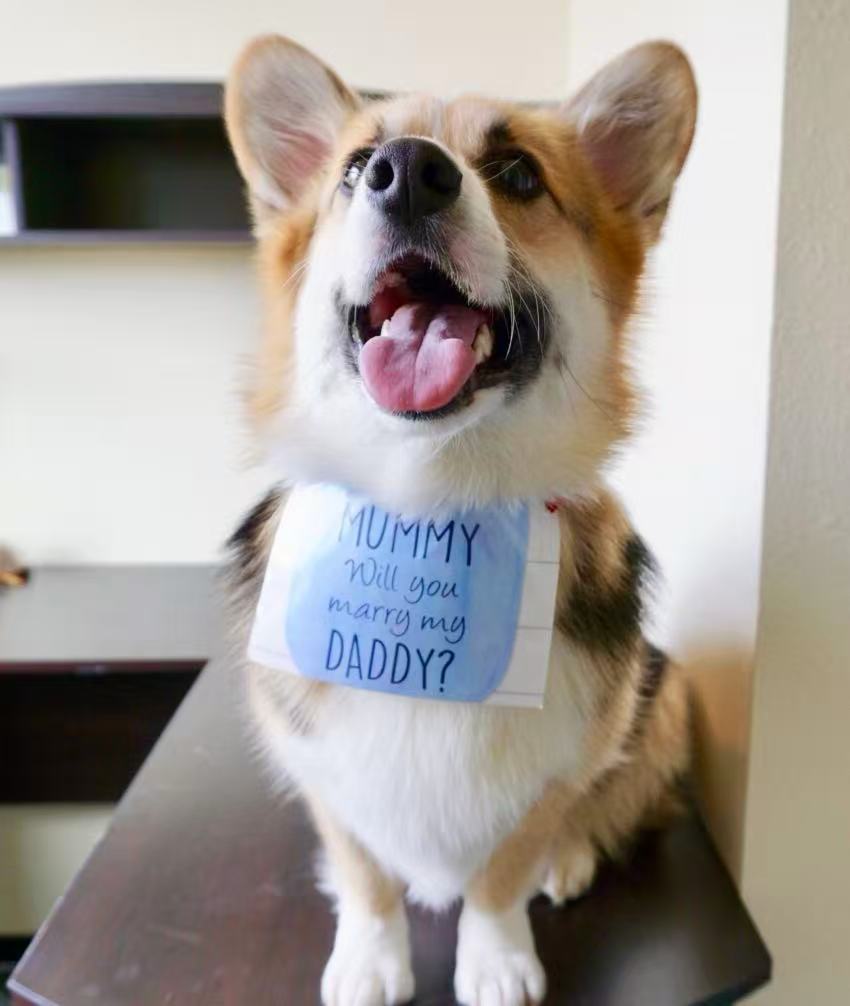
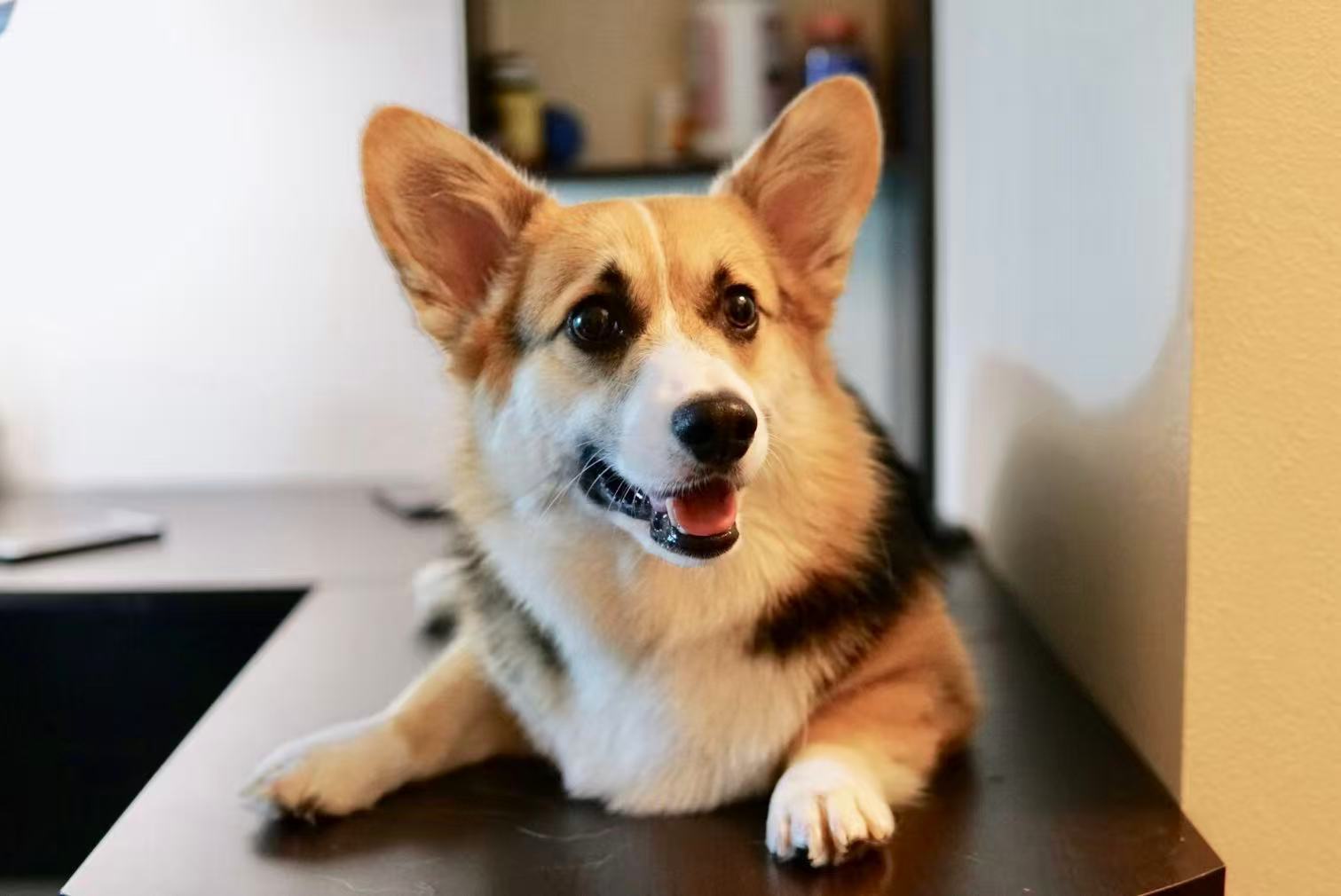
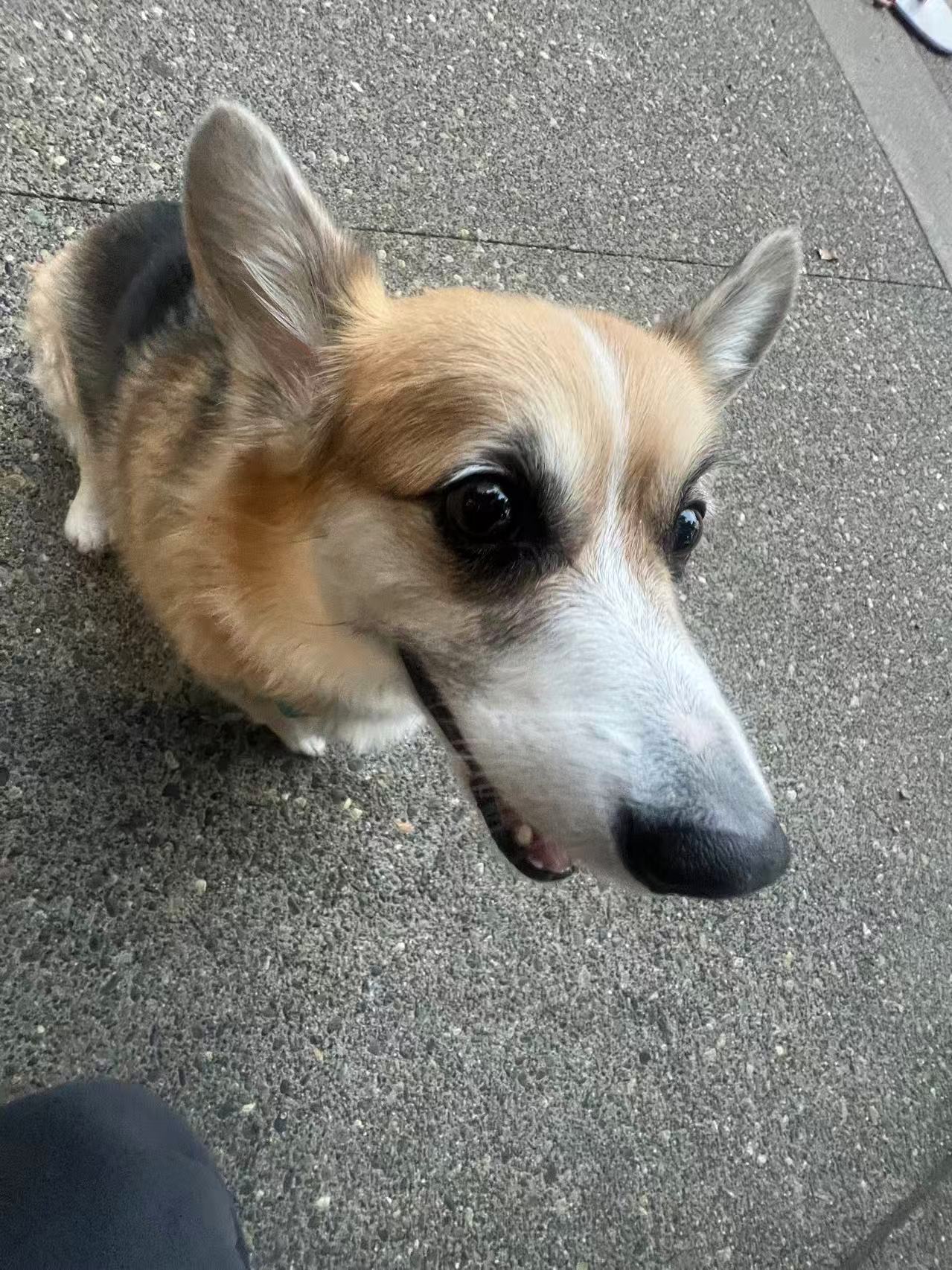
Through the Lens
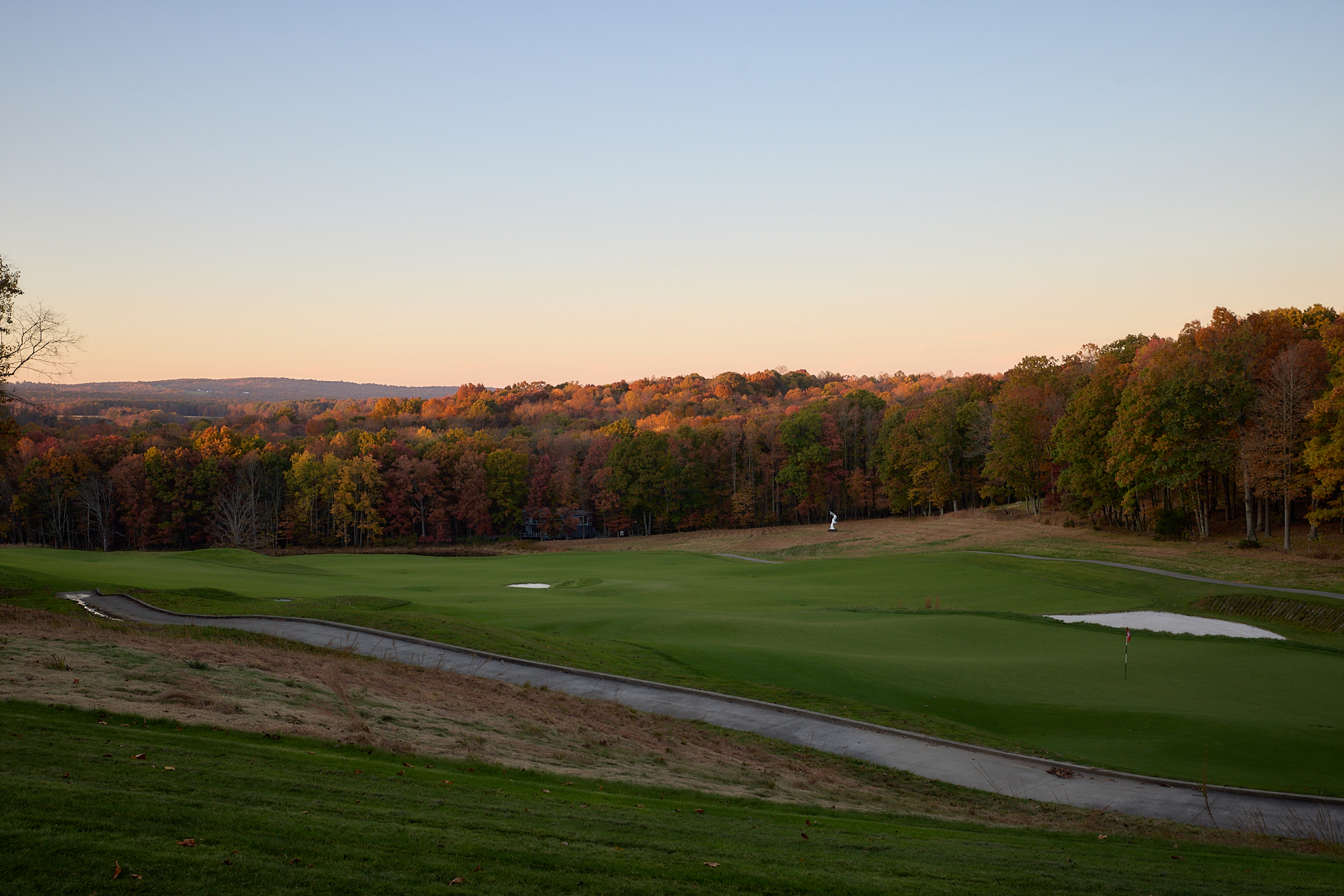
The Choices a Path Makes
The path bends with the hillside. On a drawing, it’s a single stroke. On the ground, it might become part of someone’s walk home for years, until it simply feels like the natural way to go. In transportation research, I keep coming back to this question: how many of the habits we think of as our own began with a line drawn by someone we’ve never met?
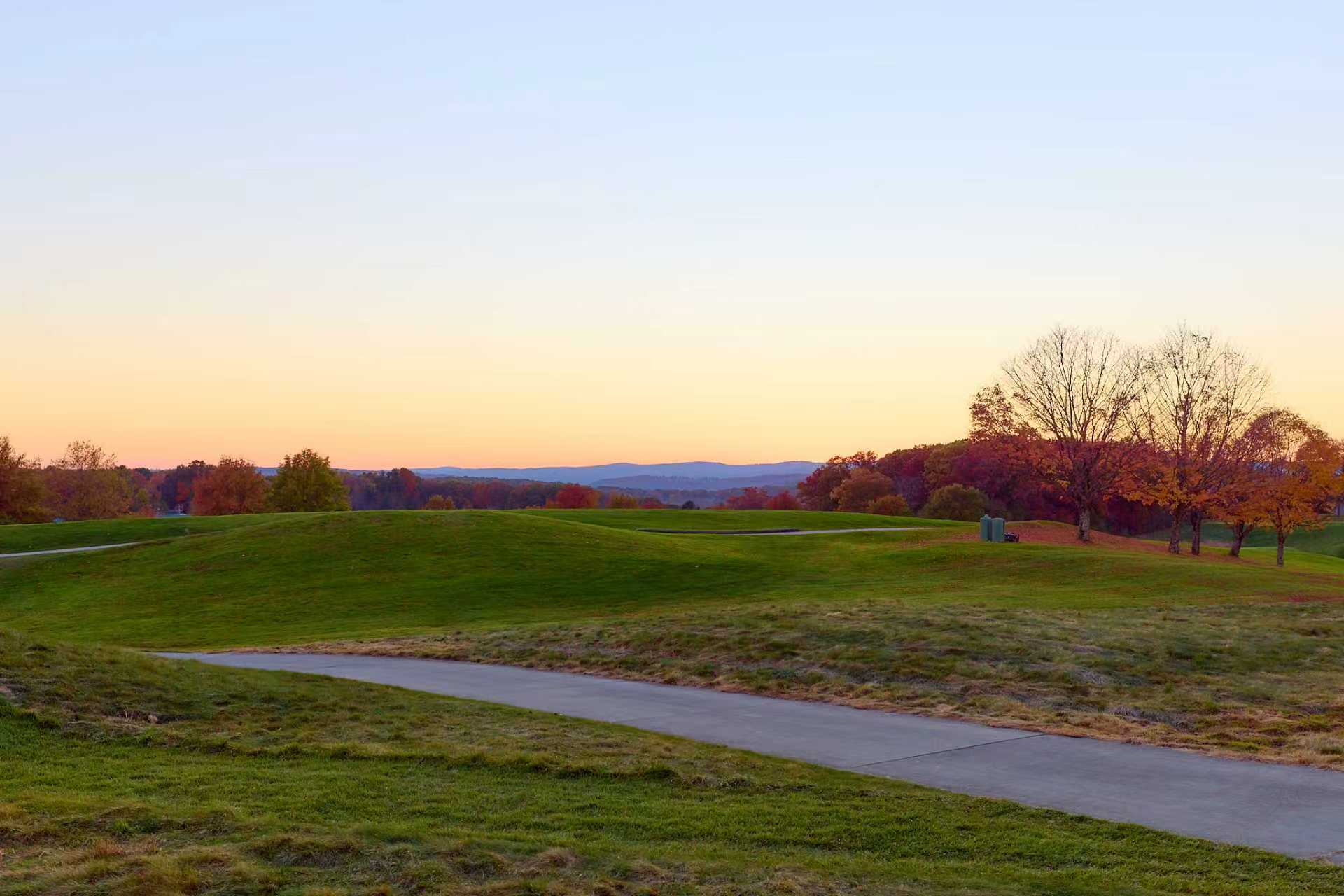
Beyond the Bend
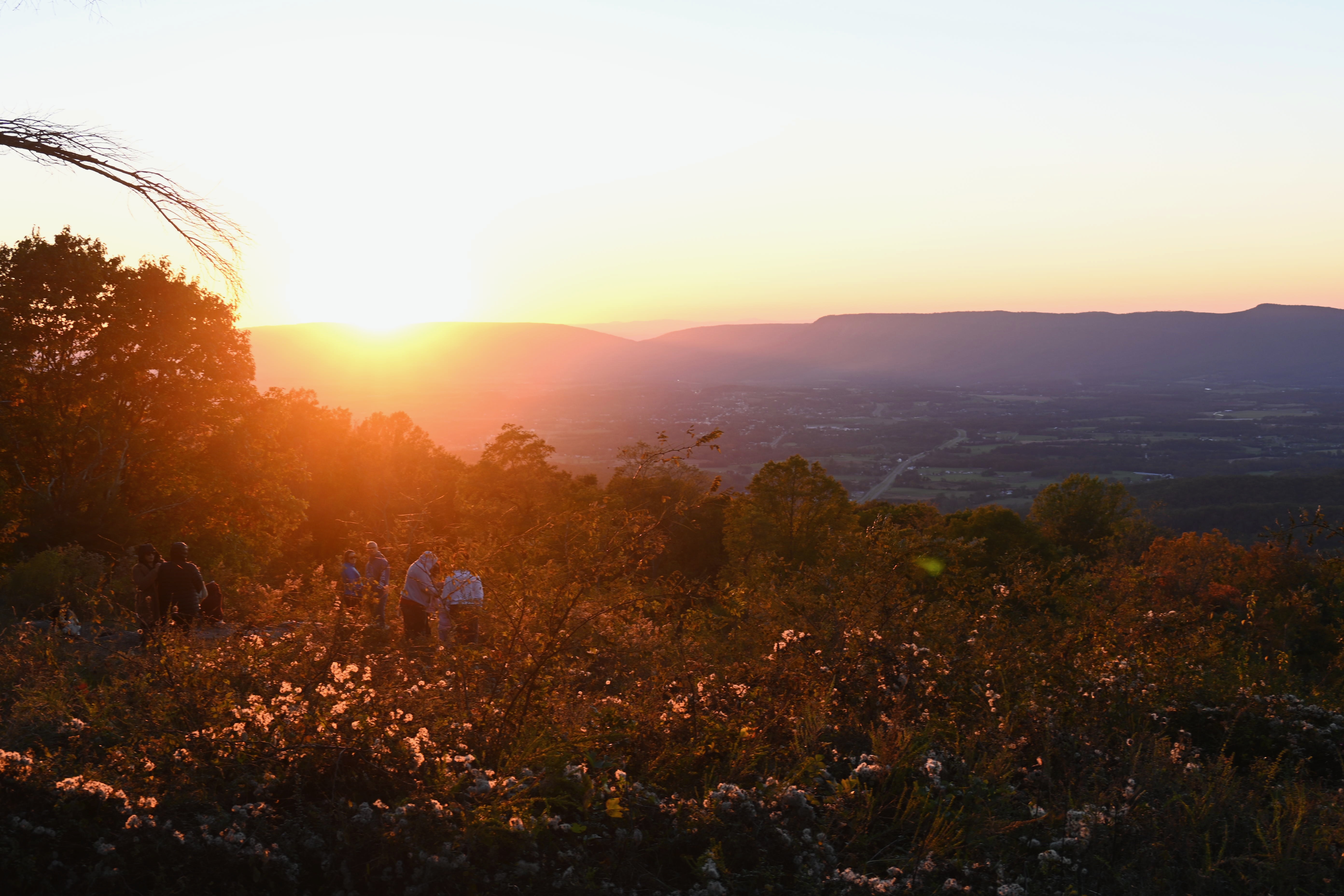
The field opens wide, but I can follow the path only so far. In the fading light, I try to imagine what’s around the bend using the little I can see from here. Research has the same limit. My favorite questions are the ones that turn up halfway through, because I hadn’t yet seen enough of the world to ask them when I started.
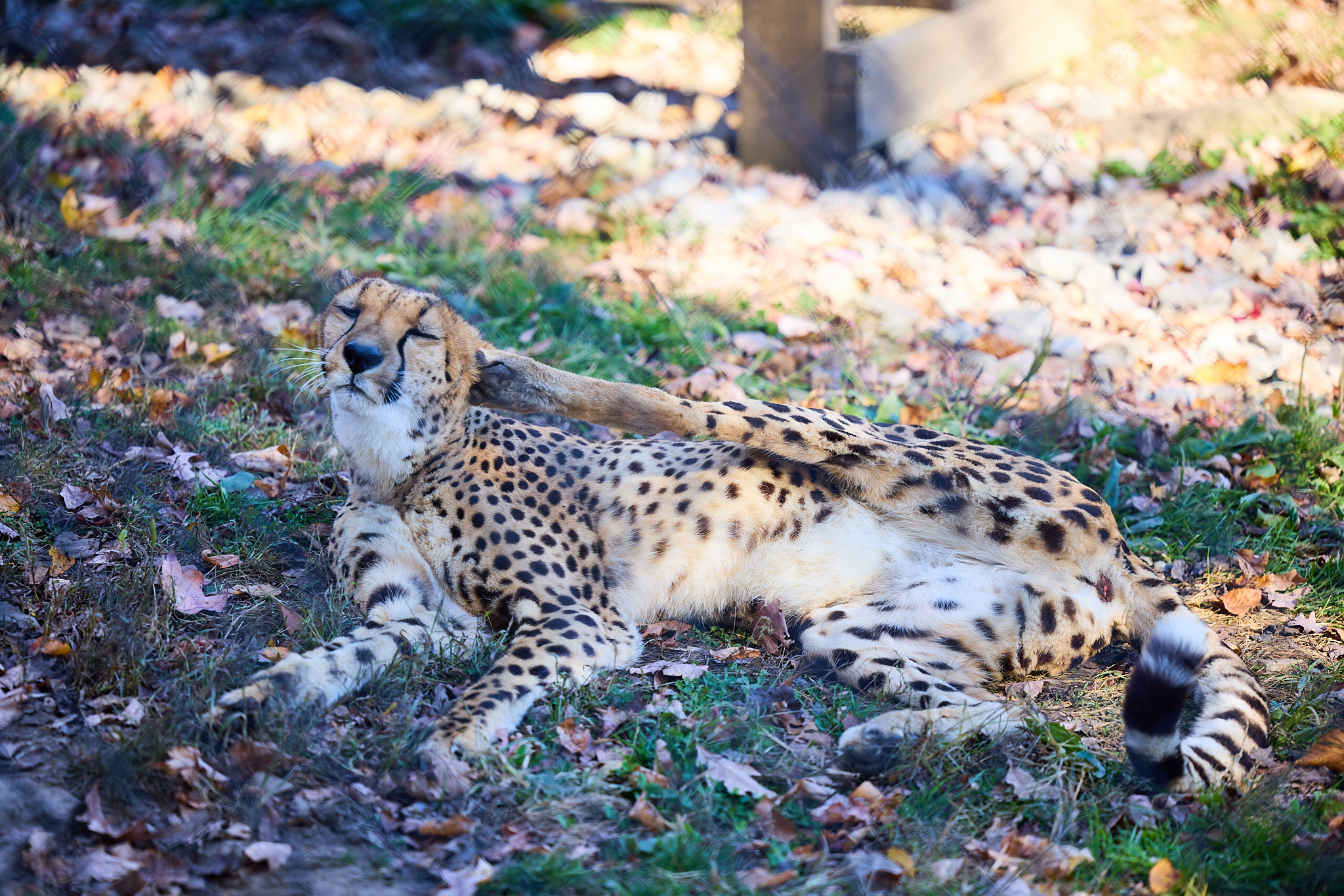
A Cheetah Cut Out of the Leaves
The cheetah lies among fallen leaves, its spots seeming to spill into the shadows around it. If I cut the animal out of the photograph, I could see every spot more clearly. The reason it can hide in plain sight would be in the part I’d thrown away. I think about that cheetah whenever I come back from the field with a clean dataset.
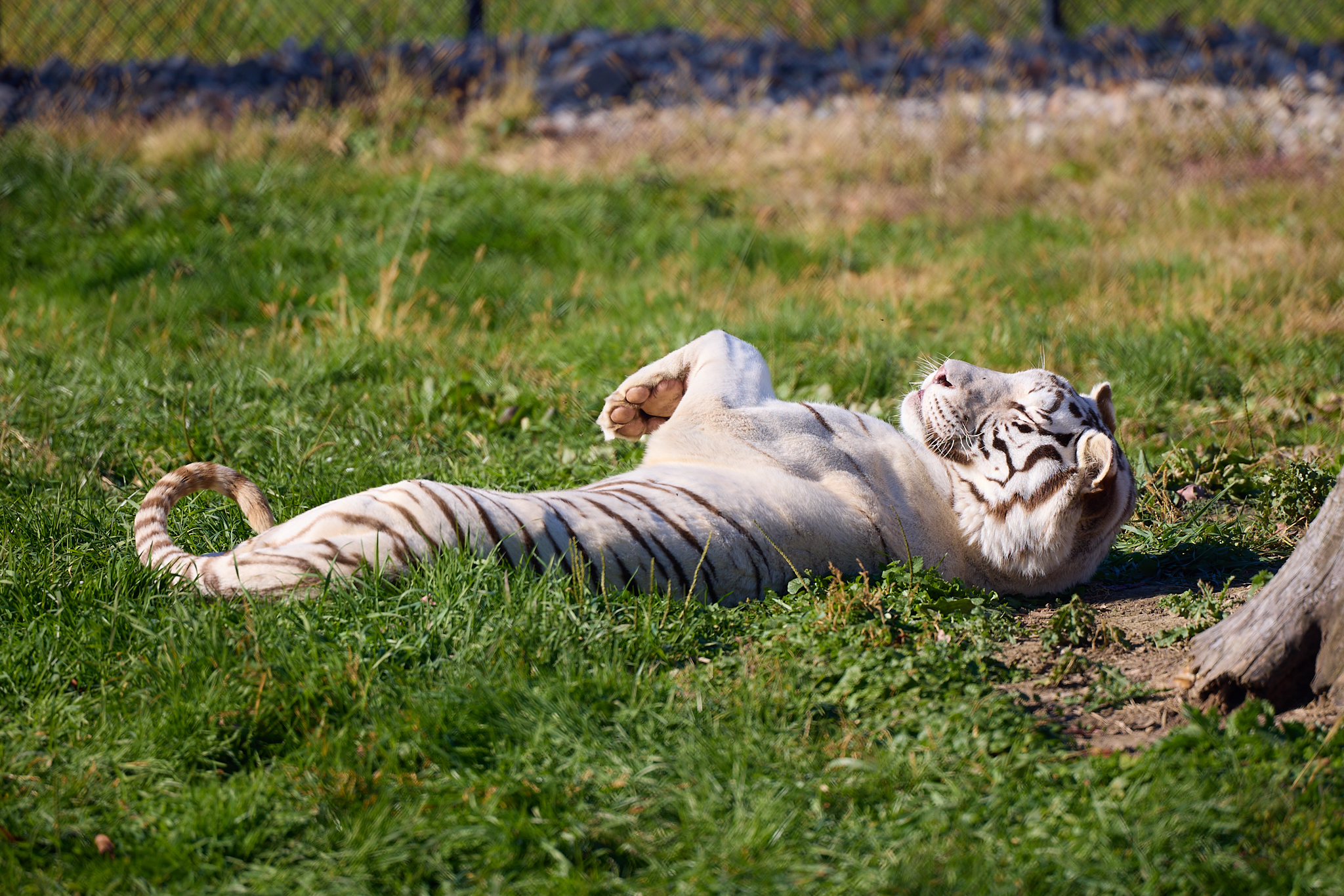
Before I Saw the Tiger
The white tiger lies belly up, its paws loosely curled. It makes me smile, and it surprises me a little. The surprise tells me something about myself. Before I saw this tiger, I already had a picture of how a tiger was supposed to look. An unexpected result can do the same thing: show me something about the world and let me catch a glimpse of the expectations I brought to it.
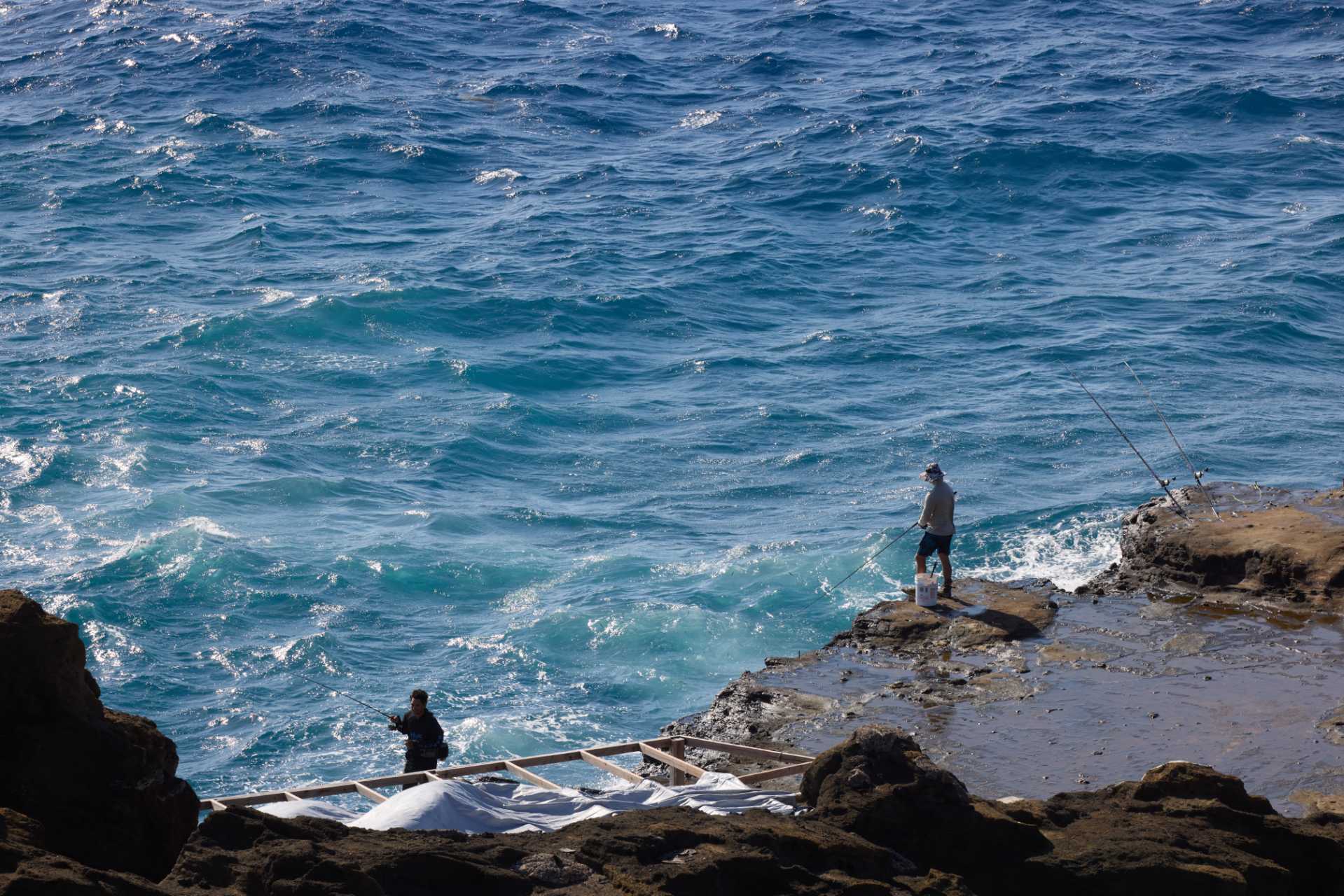
This One Wave
I can return to this photograph as often as I like. Each time, the wave waits beside the same rock. The person standing there has one chance to decide whether to move. I think about those two kinds of time when I study decisions. We can rerun a model and try one choice after another. By the time someone receives its advice, their wave is already coming in.
Where the Light Reaches
As the sky darkens, the lighthouse is a small reassurance. The sea is still dark, but one recognizable point gives the darkness a direction. I’d like an AI copilot to help in that way. After hearing its advice, I want to see how far the evidence takes us and where I’ll need to rely on my own judgment.
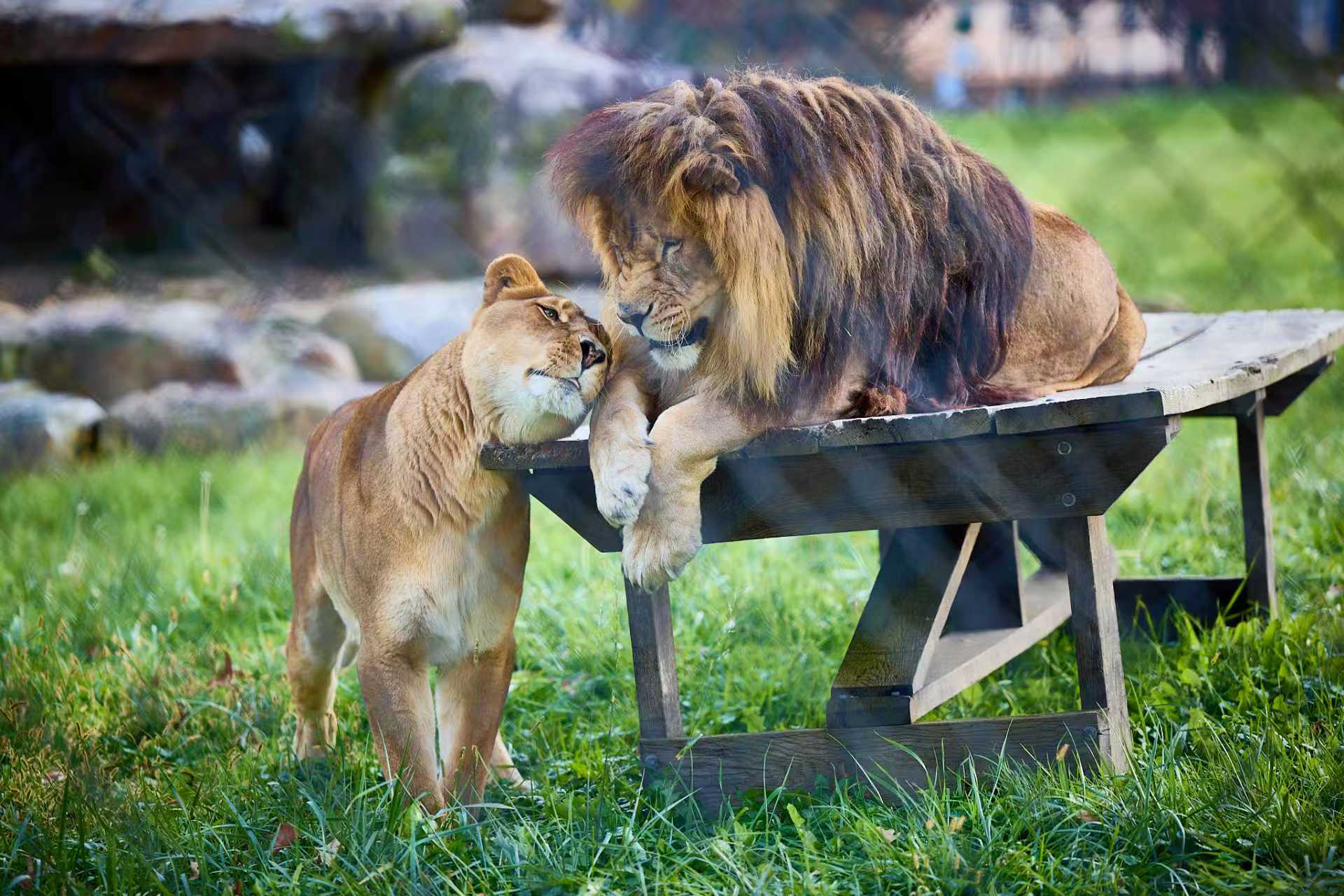
The Space Between
One lion lowers his head and the other lifts hers until their noses nearly touch. I like the little space left between them. I’ve felt something similar in research collaborations. Two people can understand each other and still see different things. Once they’ve both said what they see, the question they thought they’d agreed on can look different to both of them.
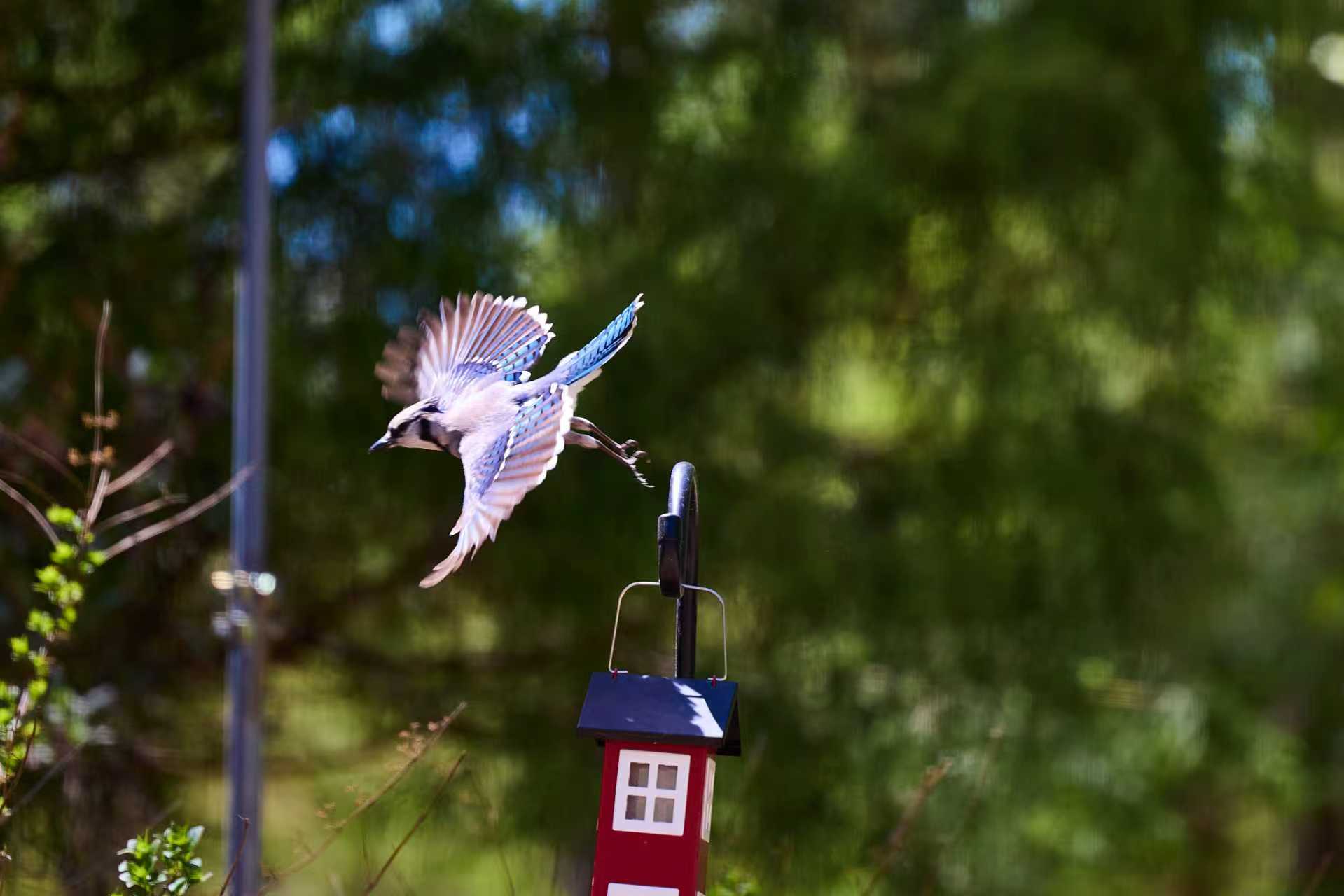
What the Shutter Keeps
The bird has just lifted away from the red feeder, and light passes through its open wings. I can point to individual feathers, but the photograph leaves me wondering why the bird took off at that particular instant. I like this increasingly specific kind of uncertainty in research. Sometimes the evidence becomes clear enough that I can finally say exactly what I still don’t know.

Life and interests